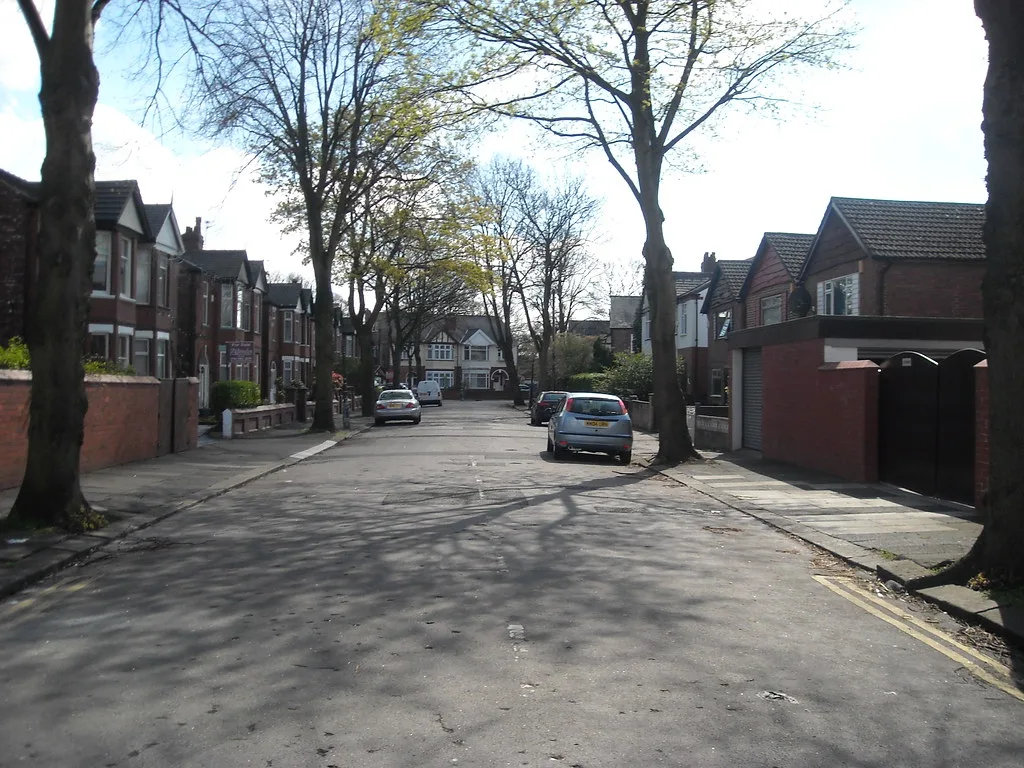

Trafford residents reported lower satisfaction with council street tree management on several measures. A University of Manchester survey asked 1,550 people.
Trafford residents are less satisfied than people in Manchester with how the council looks after street trees, on several measures, according to a University of Manchester survey of 1,550 people across all ten Greater Manchester council areas.
The research, published in the journal Urban Forestry & Urban Greening, found that across the city region around half of residents were happy with how councils manage existing trees. Almost two thirds were not satisfied with how councils involve communities in decisions about public trees, or how they respond to requests to prune, remove, replace or plant them.
Overview
- Who was asked: 1,550 residents across all ten Greater Manchester local authority areas, Trafford included.
- Trafford: residents “reported lower satisfaction across several measures” than Manchester, which the researchers used as the comparison area.
- Lowest scores across Greater Manchester: just 36% were satisfied with community engagement on tree decisions, and the same proportion with councils’ responsiveness to requests.
- The researchers’ advice to councils: put communication, consultation and chances for residents to take part at the centre of tree decisions.
How Trafford compared
The university says Stockport “consistently recorded lower levels of satisfaction and trust” than Manchester. Trafford was named next: residents here “reported lower satisfaction across several measures”. In Bury, people were less satisfied with investment and the management of existing trees.
The researchers suggest that local experiences and differences in how each council makes its decisions may help explain the gaps. They found no clear link between how much tree cover an area has and how satisfied its residents are: areas with both high and low levels of greenery recorded positive and negative views.
What residents across Greater Manchester said
The key findings, as the university reports them:
- 50% were satisfied with councils’ removal of unhealthy or dead trees.
- 48% were satisfied with the management of living trees, and 46% with efforts to provide habitats for wildlife.
- 36% were satisfied with community engagement on decisions about public trees, and 36% with councils’ responsiveness to requests.
- 28% were dissatisfied with the fairness of tree planting across different suburbs.
- More than half trusted their local council to make the right decisions about trees and manage them effectively.
- Older residents were significantly less satisfied with, and less trusting of, council tree management.
Knowing about trees, and talking to the council
People who said they knew a lot about caring for trees were substantially more likely to be satisfied with council management and to trust their council. Residents who had contacted their council about tree maintenance before were also more satisfied, particularly with community engagement, though that did not translate into significantly higher trust.
The researchers say this suggests that giving residents chances to talk to councils, and to understand how tree decisions are made, could improve how people see the work.
Professor Ian Mell, who led the paper with Amy Phillips and Ke Wang, said: “People have different views about what trees mean to their communities and what councils should prioritise. Our findings suggest that councils are generally doing a reasonable job of managing existing trees, but there is much more work to do to involve residents in decisions.
“Better communication and genuine opportunities for communities to have their say could make a real difference to public confidence.”
What it means for you
The study does not give a separate Trafford percentage for each question; its Trafford finding is the comparison with Manchester. The full paper, “Who trusts local government with tree management? Examining residential perceptions of urban forestry in Greater Manchester”, is free to read on ScienceDirect (DOI 10.1016/j.ufug.2026.129750).
Source: The University of Manchester press office.
Have your say